Aircrew Parachute Harness/Pack – Vulcan & Victor Crew Seats: Collectible Aircraft Emergency Gear
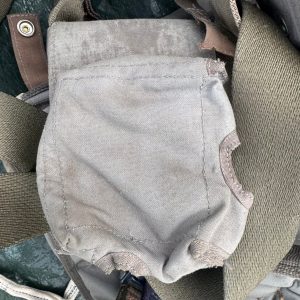
The Aircrew Parachute Harness/Pack – Vulcan & Victor Crew Seats may suit static display, preservation, restoration research, educational exhibits, or carefully evaluated specialist applications.
An Aviation Parachute Harness provides the structural connection between the wearer and a compatible parachute system, while a Pilot Parachute Harness must fit correctly and correspond with the intended equipment configuration.
The Aircraft Emergency Parachute Harness and related Aircrew Safety Harness, Flight Crew Parachute Harness, Emergency Parachute Harness, and Military Aircrew Harness keywords help connect the product with aviation collectors and specialists.
Accurate descriptions of Aircraft Crew Safety Equipment and Aircrew Emergency Equipment support better purchasing decisions and stronger SEO performance.
The Flight Parachute Harness should remain matched with the correct parachute pack, seat arrangement, attachment hardware, and operating system.
Historic Vulcan and Victor Crew-Seat Equipment
Different seats, crew roles, equipment updates, check here maintenance programs, and production periods may have used variations in harness, pack, fittings, or attachment arrangement.
Collectors and restorers benefit from a complete inventory showing installed items, loose pieces, missing parts, and unverified features.
Understanding Aviation Harness Materials
An Aviation Parachute Harness typically relies on load-bearing webbing, reinforced stitching, metal fittings, adjustment hardware, attachment points, and configuration-specific connections.
Repairs should not be assumed acceptable merely because they appear neat or use similar-colored material.
Choosing a Pilot Parachute Harness
A Pilot Parachute Harness should correspond with the wearer, clothing, seat arrangement, parachute pack, attachment system, and intended operating configuration.
Missing keepers, retainers, pads, straps, or adjustment pieces can affect completeness and appearance.
Aircraft Emergency Parachute Harness Function
Operational claims should never be made without current specialist inspection and applicable documentation.
Attachment points should be checked for deformation, wear, corrosion, cracks, missing components, incorrect hardware, and evidence of loading or repair.
Maintaining Aircrew Harness Equipment
Accurate identification supports museum displays, restorations, archival records, and specialist collections.
Webbing should not be folded sharply under heavy weight or compressed against corroded hardware.
Flight Crew Parachute Harness Condition
A clean appearance does not establish structural strength or operational suitability.
The seller should disclose whether the harness has been professionally inspected, displayed, stored, worn, repaired, cleaned, or tested.
Inspecting an Emergency Parachute Harness
Inspection should begin with the harness laid on a clean, dry, nonabrasive surface under strong lighting.
Metal fittings should be checked for rust, pitting, cracks, distortion, sharp edges, frozen movement, and plating loss.
Military Aircrew Harness Heritage
The combination of aircraft association, markings, configuration, condition, and documentation can influence historical and commercial value.
Conservation-focused presentation protects the Military Aircrew Harness for future study.
Military Aircraft Escape System Components
An Aviation Emergency Escape Harness should be understood as one part of a larger crew-survival and emergency-egress arrangement.
Qualified historical or technical review supports accurate Aviation Emergency Escape Harness presentation.
Military Parachute Pack Components
The exact configuration should be listed clearly so buyers understand what is included.
Loose components should be photographed, labeled, and packaged separately so they are not lost or mistaken for unrelated hardware.
Military Crew Survival Gear
One serviceable-looking component does not establish the condition of the complete crew-safety system.
Routine preservation should include gentle dust removal, condition photography, label recording, humidity control, pest monitoring, and suitable storage support.
Preserving Aviation Emergency Equipment
Aircrew Emergency Equipment reflects the operational requirements, aircraft technology, crew roles, and safety practices of its service period.
Replacement straps or hardware should be disclosed when known.
Pilot Emergency Parachute System
Historic parachute equipment may have exceeded original service intervals or contain materials affected by age and storage.
Noninvasive inspection may be preferable for preservation-focused buyers.
Preserving an Aviation Harness Assembly
Display mounts should support the harness without introducing tension, sharp bends, adhesive contact, or metal-to-fabric abrasion.
Interpretive labels should distinguish verified facts from uncertain history.
Evaluating Parachute Harness Value
The seller should understand the buyer’s purpose before making suitability statements.
Original storage bags, manuals, inspection cards, or photographs can increase collector interest.
Aircraft Parachute Equipment Compatibility
Aircraft Parachute Equipment should be matched through exact part numbers, aircraft type, crew position, seat model, connection method, and period-specific configuration.
Incorrect routing can damage webbing, bend fittings, or create false wear patterns.
Military Aircrew Harness Buying Checklist
The buyer should request enough information for a parachute specialist, military aviation historian, conservator, or experienced collector to evaluate the item.
- Verify whether the harness, pack, fittings, connectors, straps, and seat-interface components belong to one original configuration.
- Do not treat clean appearance, original labels, or previous inspection stamps as proof of current operational suitability.
- Require packaging that supports the pack and webbing without sharp folds, crushing, metal abrasion, moisture exposure, or uncontrolled movement.
Long-Term Harness and Pack Care
Conservation-quality storage can slow deterioration and preserve historical evidence.
Routine monitoring supports long-term Aircrew Parachute Harness/Pack preservation.
Reversible Aircrew Harness Mounting
A conservation-focused display preserves the Vulcan and Victor harness/pack for future study.
Interpretive material can explain the relationship between the harness, pack, crew seat, aircraft role, and emergency system.
Military Parachute Equipment Preservation
Routine care may include careful dust removal, hardware observation, strap support, condition photography, and environmental monitoring.
Repairs intended for display should remain reversible and clearly documented.
Buying Historic Military Aircrew Parachute Equipment
When carefully inspected, stored, documented, conserved, and displayed, the Aircrew Parachute Harness/Pack – Vulcan & Victor Crew Seats can remain a valuable military aviation artifact.
Careful technical, historical, and commercial evaluation can reduce authenticity concerns, condition surprises, missing-component costs, and unsuitable-use assumptions.
Whether the requirement is an Aviation Parachute Harness, Pilot Parachute Harness, Aircraft Emergency Parachute Harness, or Aircrew Safety Harness, individual condition assessment should guide the purchase.
With complete evaluation and continued preservation, the Aircrew Parachute Harness/Pack – Vulcan & Victor Crew Seats can deliver a professional combination of historical significance, restoration potential, collectible appeal, and military aviation heritage.